
 Best Platforms
 Live Odds



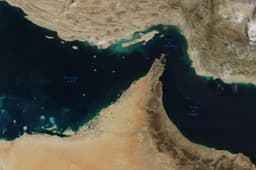




How a 95 percent drop in Hormuz traffic changed global shipping
Severe Drop
Al Jazeera described a dramatic collapse in traffic through the strait, with daily crossings reduced from more than 100 vessels to only a handful. That is consistent with a waterway that is functioning far below normal capacity.
The scale of the drop suggests shipping participants are still avoiding the route rather than merely delaying a rebound. That makes a quick return to normal traffic unlikely.
Global Effects
The article matters because Hormuz is a central artery for oil, gas, and cargo movement. When traffic sinks this far, the consequences spread through freight markets and energy supply chains.
Even if political talks continue, carriers and insurers may require a long stretch of calm before they treat the strait as reliable again. That delay helps explain why the traffic gap has persisted.
Outlook
The reporting does not identify a month when traffic will normalize. Instead, it frames the strait as still operating in a near-shutdown state.
For anyone trying to pinpoint timing, the latest coverage suggests that no one can credibly name a month yet. The best-supported expectation is a slow, uncertain recovery rather than a fixed deadline.
