
 Best Platforms
 Live Odds



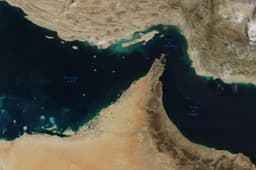




Hormuz shipping unchanged amid US-Iran stalemate, data shows
Current traffic
Shipping through the Strait of Hormuz remained stuck at very low levels on Aug. 20, with Reuters saying transits were unchanged from the prior day at nine vessels. That is far below the roughly 130 to 140 ships that moved through the waterway before the conflict, showing the corridor is still operating under severe disruption.
The key point is that current reporting does not identify a month when traffic will normalize. Instead, the traffic pattern still reflects the status of the U.S.-Iran stalemate, which means the recovery timeline remains tied to diplomacy and security conditions rather than a predetermined reopening schedule.
Why it matters
Earlier Reuters reporting in mid-August showed only eight to six vessels per day, reinforcing that the strait has not returned to its former role as a high-volume shipping lane. CNBC’s Aug. 12 coverage likewise described traffic as near a three-month low and about 90% below prewar levels.
That matters because the strait is a major chokepoint for global energy flows, so even partial recovery can leave markets exposed to price and supply shocks. The continued weakness in vessel counts suggests shipping companies still see enough risk to reroute or delay sailings.
Recovery outlook
A June Reuters report noted traffic had increased from crisis lows but was still only about half of peacetime levels, with routes remaining inconsistent. More recent August coverage, however, shows the improvement stalled rather than continuing toward a full rebound.
Taken together, the reporting points to a stop-start recovery process. If talks between Washington and Tehran make progress, traffic could improve quickly; if not, the strait may stay suppressed for weeks or longer.
Bottom line
No reliable report in the retrieved coverage gives a specific month for when Strait of Hormuz traffic will return to normal. The best-supported conclusion is that normalization is not yet visible and remains contingent on a political breakthrough.