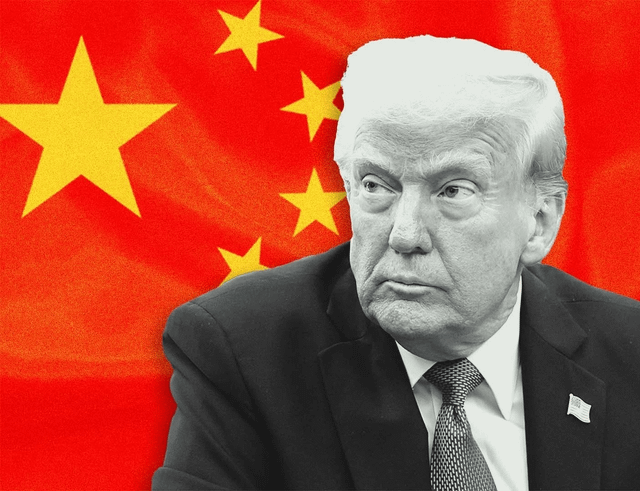

A trip by Trump to China would decide whether the former president conducts high-profile diplomacy during the 2026 campaign season.
A visit would reshape public perceptions of U.S.-China relations, affect trade and security signaling, and produce major campaign optics both domestically and internationally.

Donald Trump and Xi Jinping are the principal individuals whose mutual agreement would enable a summit visit.
The U.S. Secret Service, State Department, the Chinese Foreign Ministry, the PRC leadership and Trump's campaign advisers manage security, protocols, visa approvals, and the framing of any bilateral talks.

Scheduling hinges on diplomatic clearances, security vetting, reciprocal invitations from Beijing, and the former president's campaign calendar.
Developments such as U.S. domestic political timing, Chinese elite decision-making, regional security incidents, public health or diplomatic protests, and travel logistics can all accelerate, postpone, or scuttle the trip.

Look for formal invitations, visa approvals or travel authorizations from Beijing, and any White House, State Department, or campaign statements confirming dates or venues.
Watch PRC state media signals, announcements about meetings between envoys, Secret Service readiness notices, and calendar conflicts such as Chinese national holidays or major international summits in the next two months.


 Jun 13, 2026PolymarketKalshi
 PredictaBest Spread: Polymarket 100¢
 Promo Code:
 $5,727,547 Vol.Jun 13, 2026


