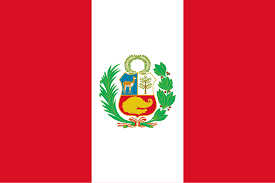

Finishing second in Peru's presidential first round decides which candidate faces the top finisher in the nationwide runoff.
That runoff pairing determines who can build cross‑party coalitions, which policy platforms gain bargaining power, and which blocs will shape governance if their candidate wins.

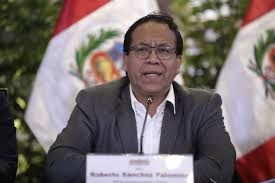
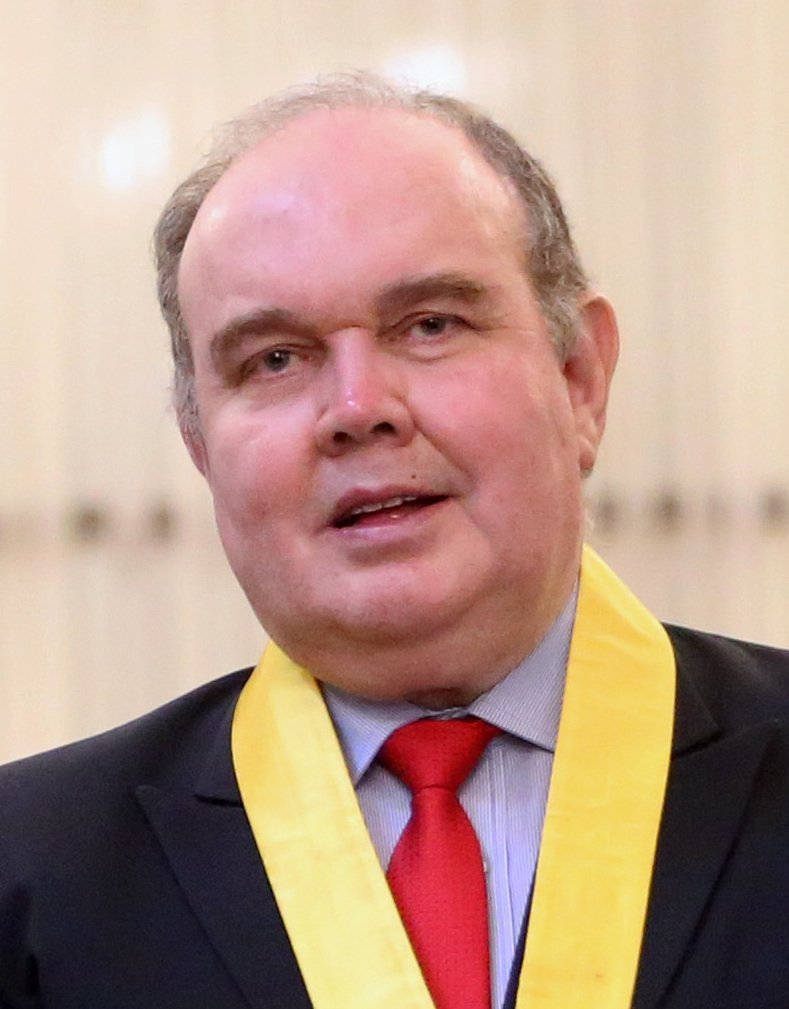
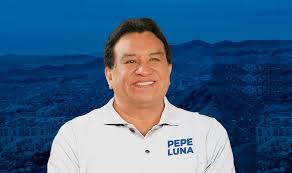
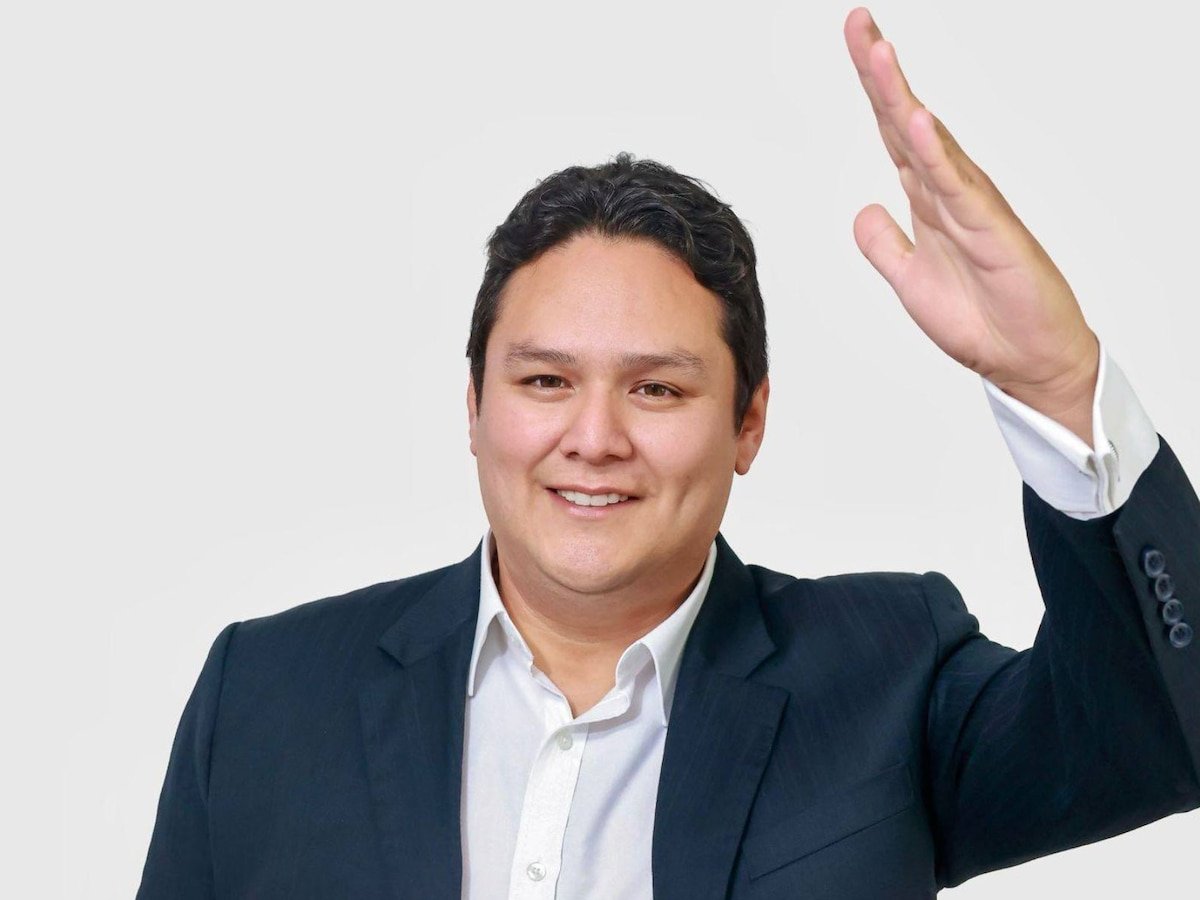
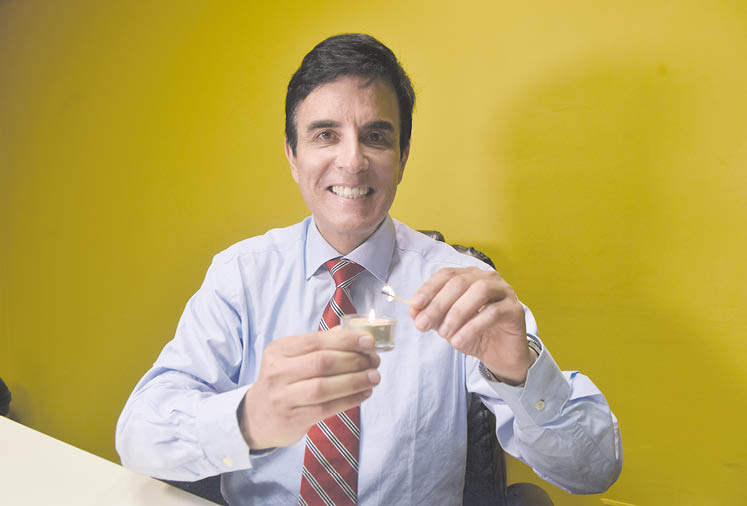
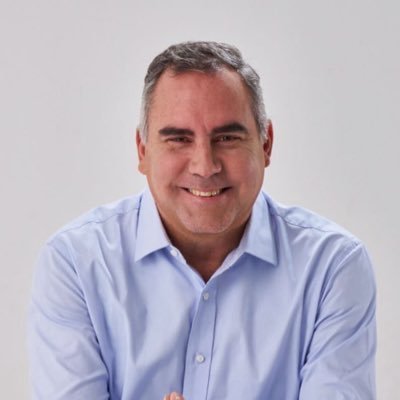
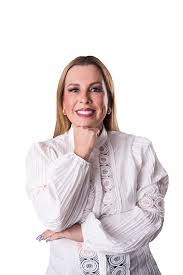
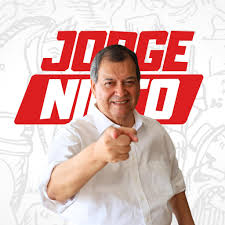
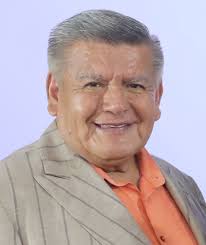
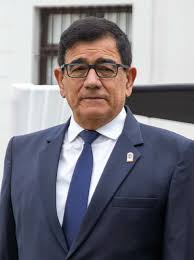
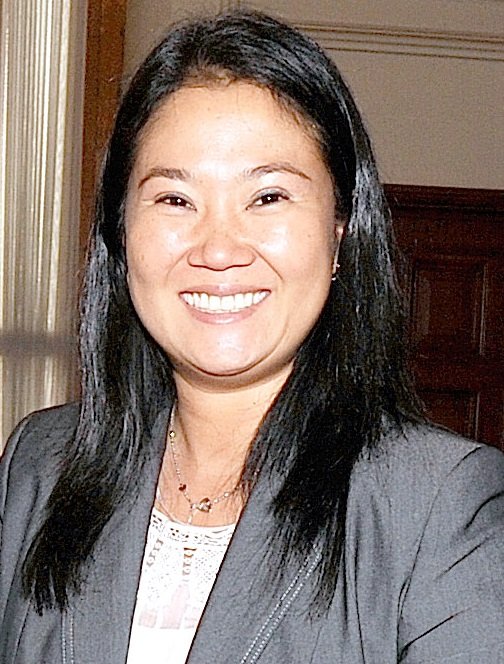
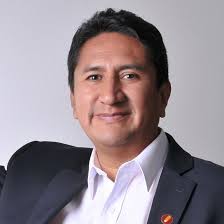
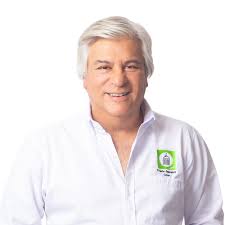
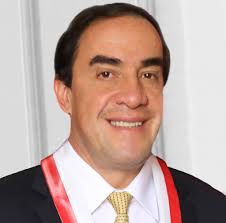
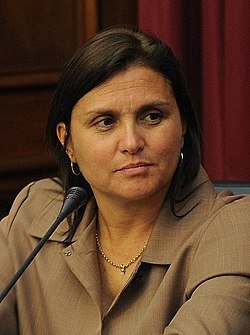
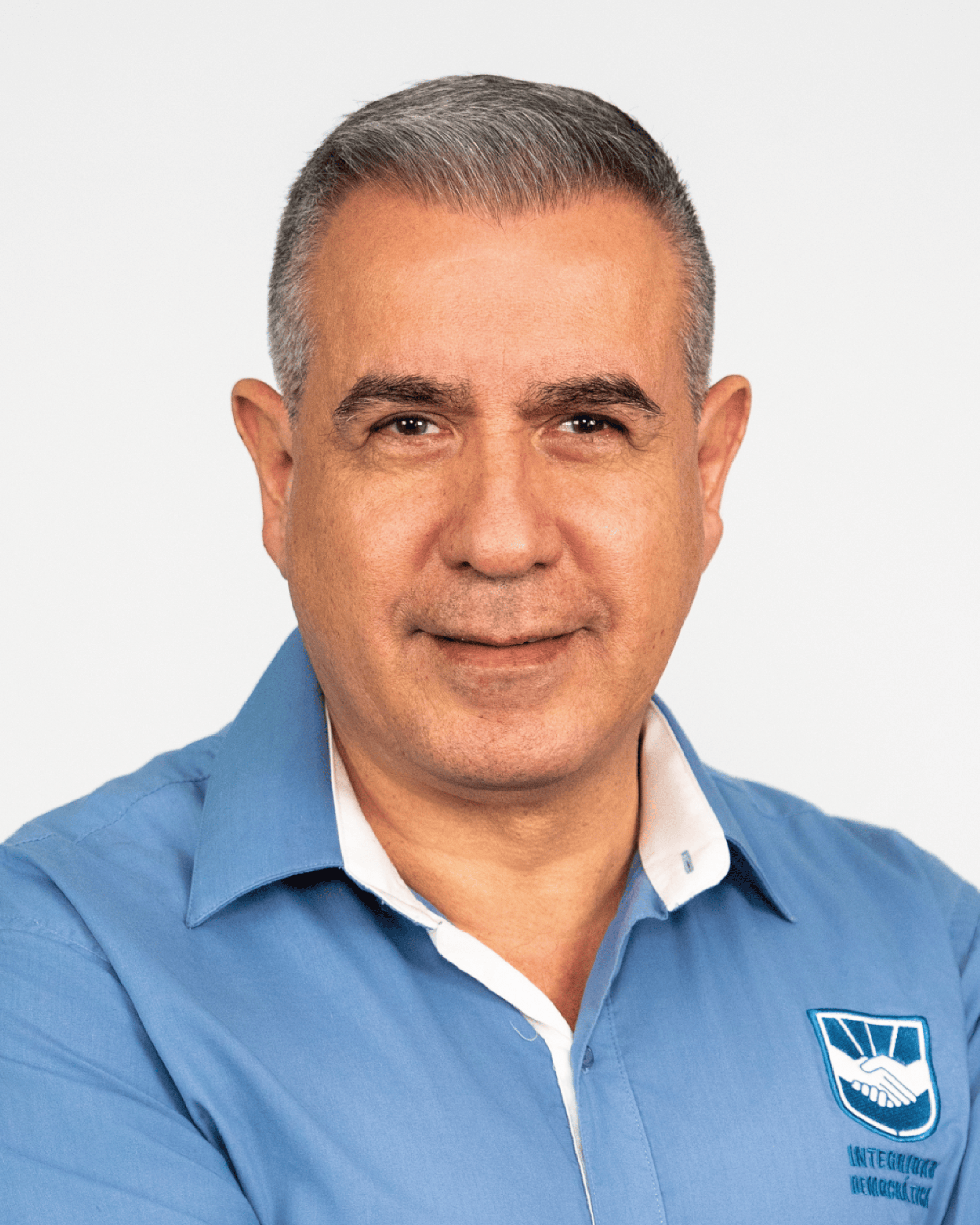
Keiko Fujimori, Rafael López Aliaga, George Forsyth, Ricardo Belmont, Vladimir Cerrón, César Acuña and José Luna are among the named contenders whose vote shares determine second place.
Campaign teams, party networks and regional political machines execute turnout operations and local deals that often swing tight races.

Polling shifts, late endorsements and televised debates drive rapid changes in second‑place odds as undecided voters break and tactical voting consolidates.
Regional turnout patterns, economic headlines, corruption revelations and the speed of provisional vote counts are key causal levers that reweight tallies on election night and in the days after.

Watch late national and regional polls, the final televised debate schedule, and endorsements from prominent party leaders in the two weeks before voting.
On election day follow regional returns, provisional count releases, turnout in Lima vs the hinterland, and any rapid coalition statements that signal which candidate is consolidating second place.


 Jun 16, 2026PolymarketKalshi
 PredictaBest Spread: Kalshi 1¢
 Promo Code:
 $6,240,841 Vol.Jun 16, 2026