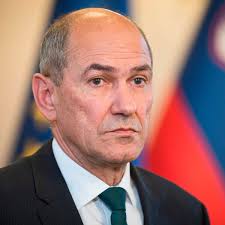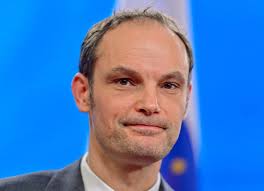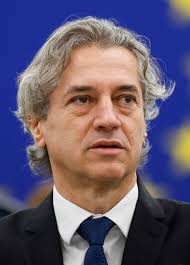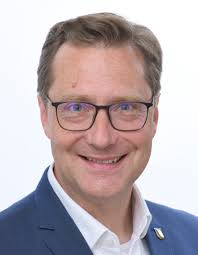

Whoever becomes prime minister will set Slovenia's domestic and EU policy priorities and lead the coalition government.
Control of the premiership shapes cabinet makeup, economic reform pace, judicial and anticorruption agendas, and whether the governing majority remains stable through the parliamentary term.

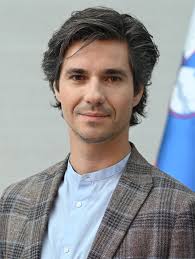
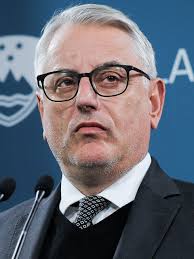
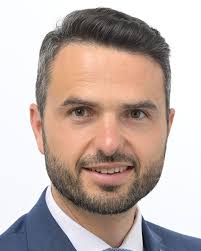
Robert Golob, Vladimir Prebilič, Luka Mesec, Janez Janša, Matjaž Han, Anže Logar, Matej Tonin, Jernej Vrtovec, Zoran Stevanović, and Asta Vrečko.
They represent a mix of parties and blocs across Slovenia's spectrum, from Golob's liberal grouping and Janša's centre-right base to The Left and smaller centrist or conservative partners whose coalition choices will decide government formation.

Coalition arithmetic and the exact distribution of parliamentary seats are the immediate determiners of who can command a majority.
Poll shifts, post-election negotiations, presidential designation, confidence votes, high-profile scandals, and agreements with smaller parties or independents will change probabilities quickly.

Watch for formal steps after the election: which leader the president tasks with forming a government and the deadline for a confidence vote in parliament.
Also track coalition press releases, party congress decisions, rolling opinion polls, key media interviews, and any coalition pacts or withdrawals in the first 30–60 days post-election.


 Jun 16, 2026PolymarketKalshi
 PredictaBest Spread: Polymarket 5¢
 Promo Code:
 $2,976,898 Vol.Jun 16, 2026