
Control of Denmark's government after the 2026 election will set which parties shape policy on immigration, climate, taxes, and welfare.
The incoming prime minister decides coalition composition, legislative priorities, and Denmark's posture in the EU and NATO during the parliamentary term.

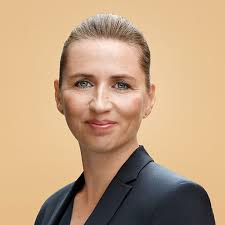
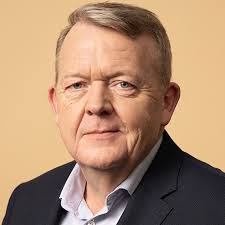
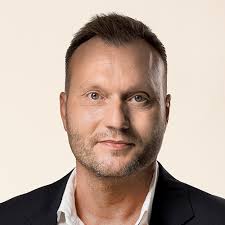
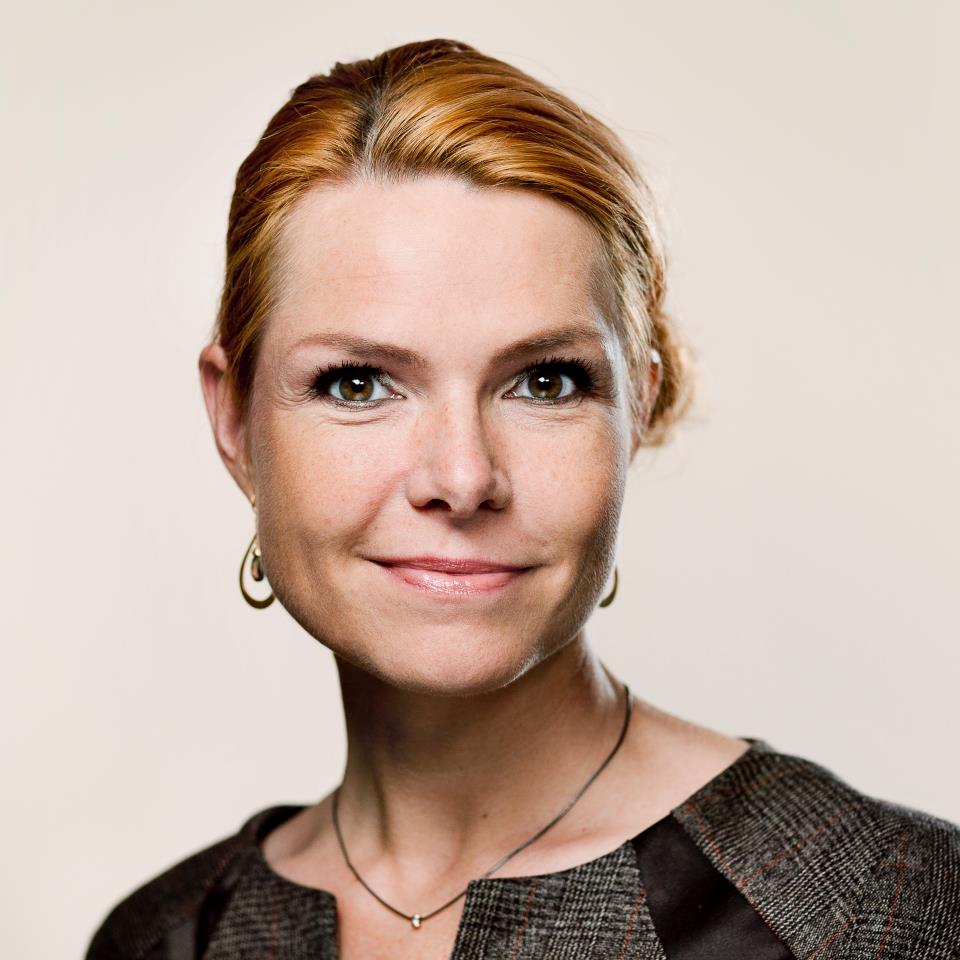
Lars Løkke Rasmussen, Lars Boje Mathiesen, Alex Vanopslagh, Inger Støjberg, Martin Lidegaard, and Mette Frederiksen are among leading candidates tied to different parties.
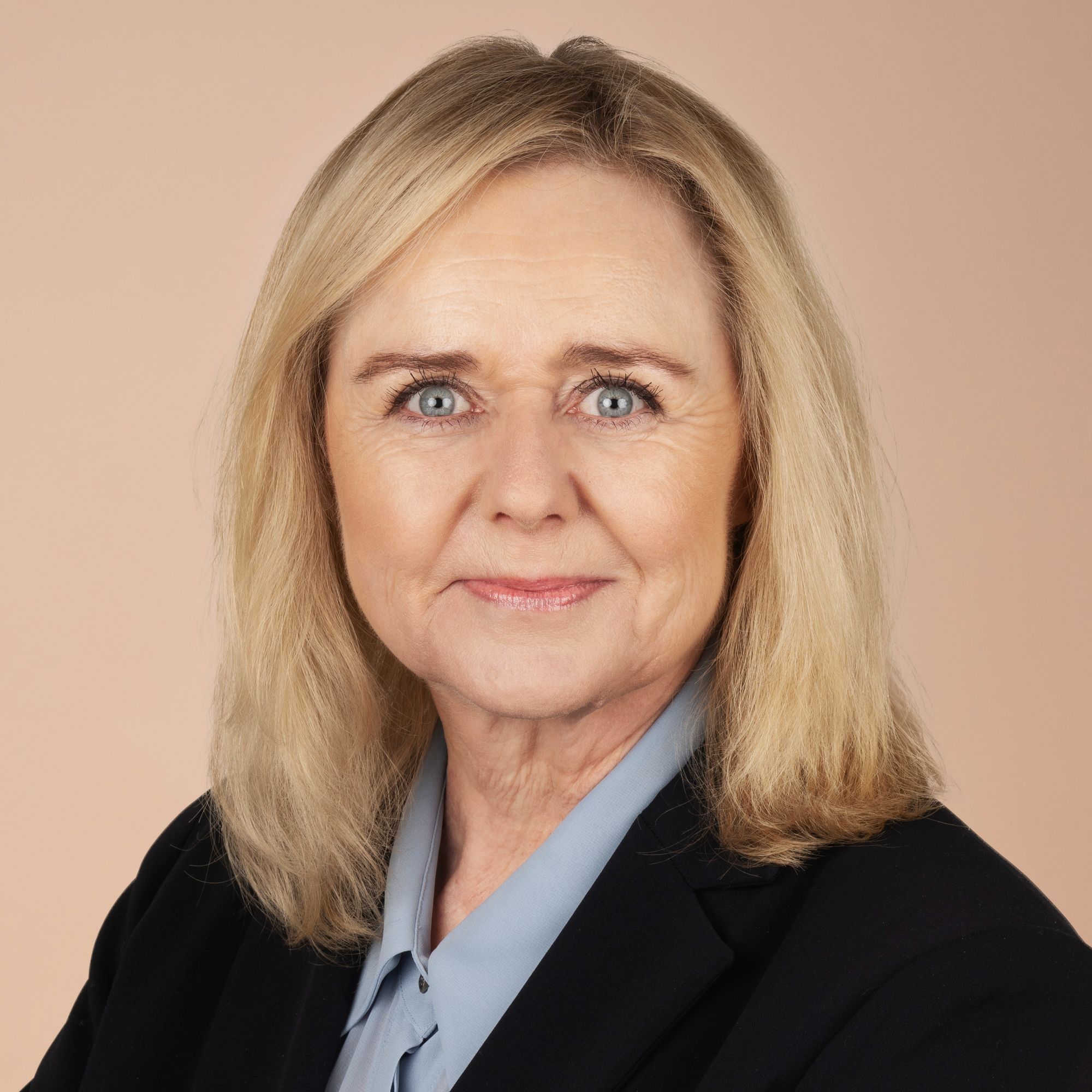
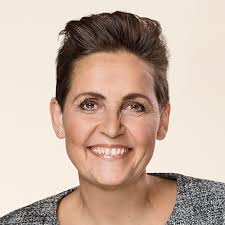
Also in play are Troels Lund Poulsen, Pia Olsen Dyhr, Morten Messerschmidt, Pelle Dragsted, and Mona Juul, each representing center-right, right-wing, or center-left blocs that could form governing coalitions.

Polls and municipal election results convert into seat projections that define which coalitions are numerically possible.
Campaign messages on immigration, climate, and welfare, party manifesto shifts, coalition negotiation skill, and endorsements from small parties will move probabilities more than single headlines.

Key dates are election day and the immediate post-election period when parties test coalition arithmetic.
Watch national polls in the final weeks, major televised debates, regional vote swings, statements from small parties, and any rapid coalition agreements or leader withdrawals reported in the first fortnight after voting.


 Jun 13, 2026PolymarketKalshi
 PredictaBest Spread: Polymarket 28¢
 Promo Code:
 $8,289,933 Vol.Jun 13, 2026