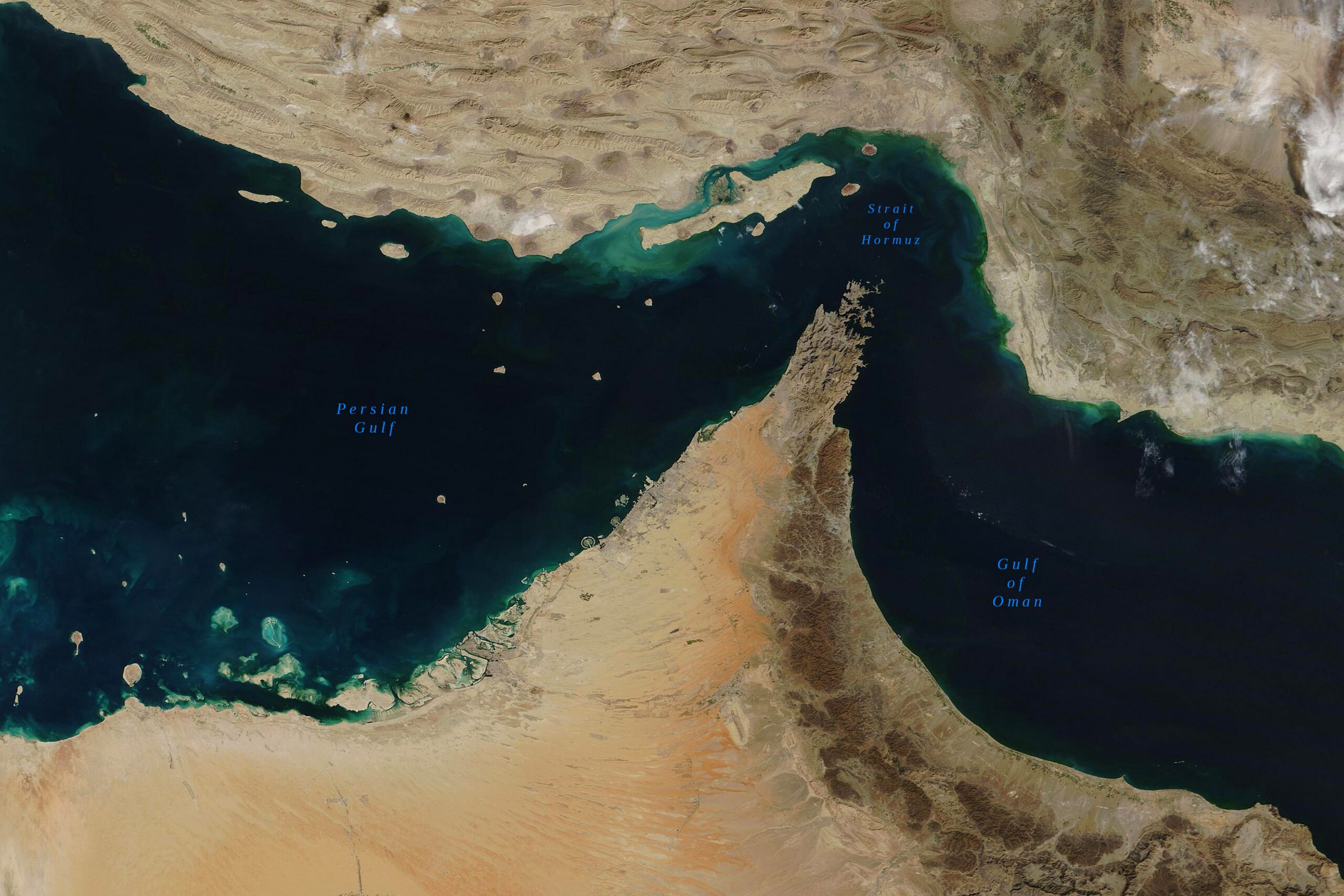

A weekly transit count shows how many commercial and naval vessels passed through the Strait of Hormuz from May 4 to May 10.
That total signals short-term flows of oil and cargo, affects insurance and freight costs, and indicates how regional tensions are disrupting sea routes.

Commercial tanker operators, crude and product traders, container lines, and bulk-carrier owners determine most civilian transits.
Iran's IRGC naval units, the US Fifth Fleet, Gulf coast guards, insurers, vessel managers, and AIS data providers also influence whether ships sail, wait, or reroute.

Escalations or de‑escalations of regional hostilities change risk assessments and can sharply lower or raise transit counts.
Naval warnings, reported attacks, convoy escorts, insurance premiums, port closures, and severe weather drive whether masters choose to enter the strait or delay and reroute.

Look for UKMTO and US Navy advisories, public claims by Houthi or Iranian forces, announced naval exercises, and any convoy or escort notices issued before May 4.
Monitor daily AIS aggregates, Lloyd's List incident logs, charterers' voyage cancellations, port notices, and weather forecasts from May 1–10 for signs of delayed, concentrated, or rerouted traffic.


 Jun 13, 2026PolymarketKalshi
 Predicta
 Promo Code:
 $215,401 Vol.Jun 13, 2026
