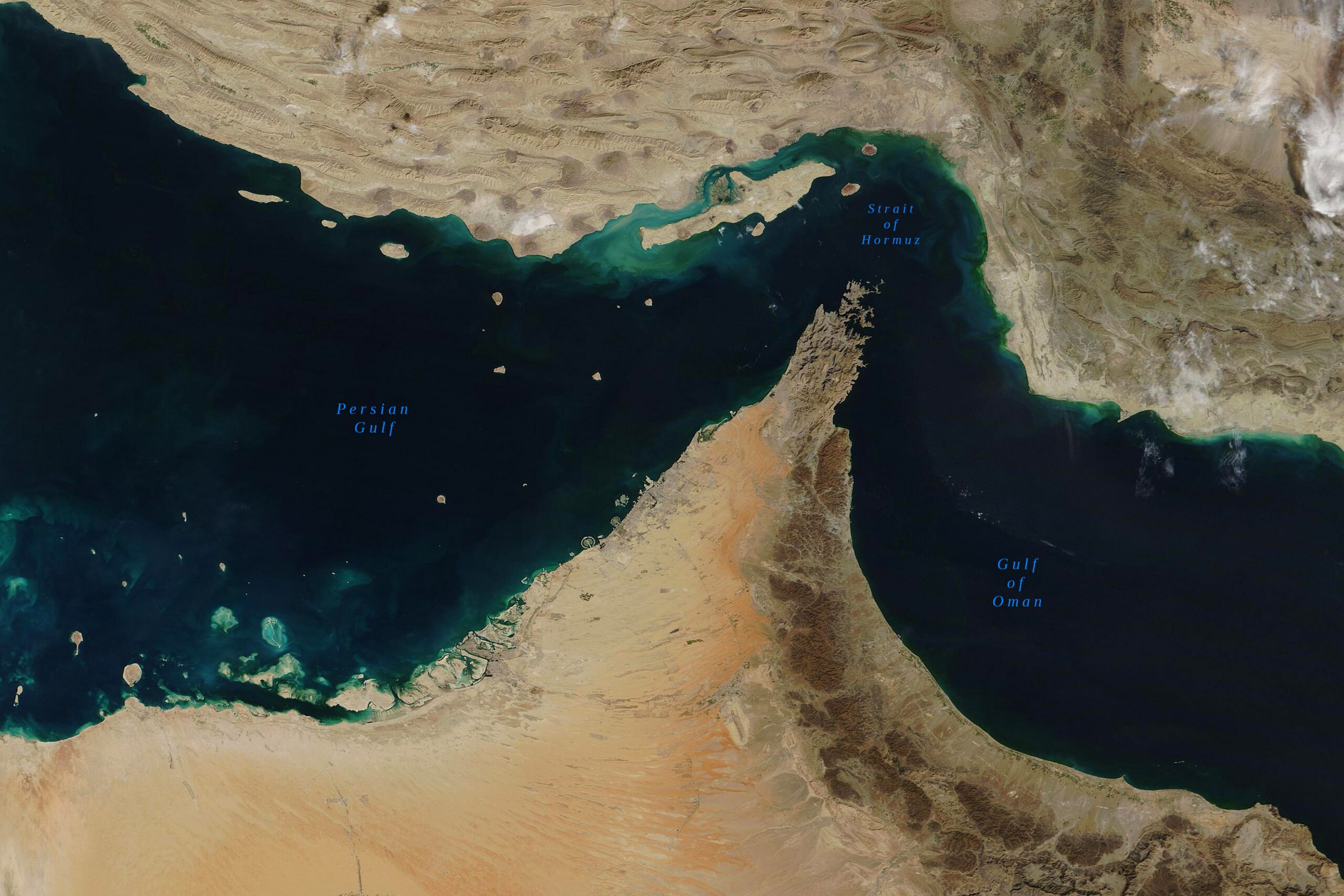

The number of vessels transiting the Strait of Hormuz during the week beginning May 25 provides a concrete, countable measure of maritime throughput through a critical oil chokepoint.
That weekly tally indicates short-term oil and goods flow, influences insurance and shipping costs, and signals exposure to disruptions from military incidents or sanctions.

Commercial tanker operators and regional navies — notably the U.S. Fifth Fleet, the UK, and Iran — directly shape whether ships choose to transit or avoid the strait.
AIS data providers, shipowners, insurers, Gulf port authorities (Oman, UAE), and flag registries also affect scheduling, rerouting, and visible counts.

Escalations or de‑escalations in regional tensions, changes in naval patrol patterns, and public statements from Iranian or Western forces can produce abrupt swings in transit decisions and visible vessel counts.
Economic demand for crude, port congestion, weather, Suez traffic, and intentional AIS blackouts also influence how many ships pass during the target week.

Watch AIS and satellite vessel‑tracking feeds and daily convoy or patrol notices for real‑time transit counts during May 25–31.
Also monitor Gulf naval press releases and Iranian statements, tanker schedules and port arrival lists in Fujairah/Dubai, and industry trackers like Lloyd’s List for anomalies or sudden reroutes.


 Jun 13, 2026PolymarketKalshi
 Predicta
 Promo Code:
 $290,668 Vol.Jun 13, 2026
