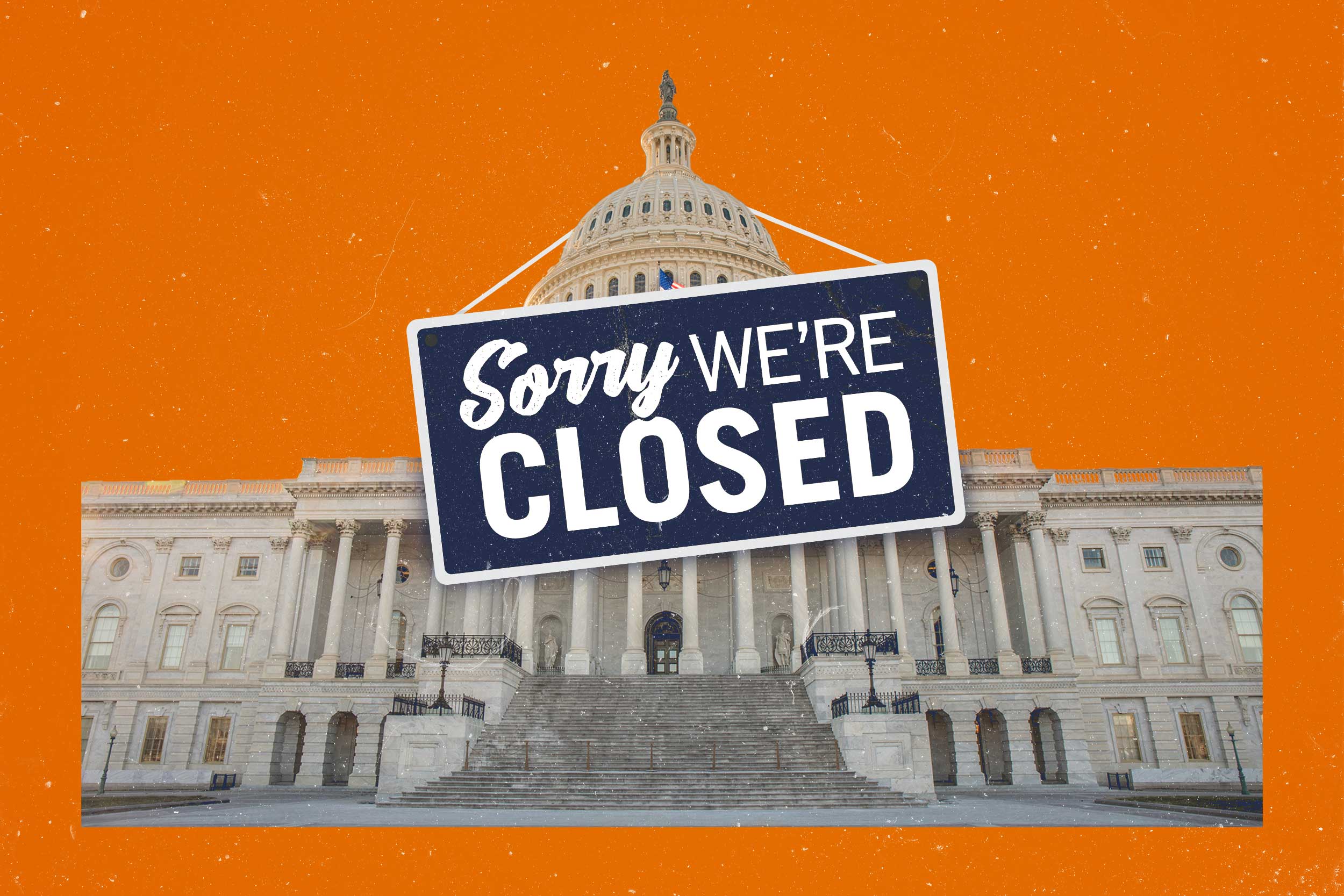

Federal operations and public services are suspended or sharply reduced when Congress fails to fund agencies.
Duration determines whether impacts stay short-lived — delayed pay, paused permits, and closed parks — or become prolonged backlogs, economic losses, and reputational harm for officials.

President and congressional leaders control the clock through negotiations and veto threats.
House Republicans, Senate negotiators, appropriations committees, agency heads, federal employees, and service contractors all encounter immediate consequences and influence the pace of resolution.

Budget language, policy riders, and the willingness of holdout lawmakers to accept compromises move the needle.
Senate procedural votes, House floor math, White House demands, and external pressure from agencies, unions, and affected industries create the causal levers that lengthen or shorten a shutdown.

Key deadlines include the statutory funding lapse and any scheduled continuing-resolution or appropriations votes in both chambers.
Watch roll-call margins, Speaker statements, Senate cloture attempts, White House contingency notices, federal agency closure updates, and major interest-group or union mobilizations over the next days.


 Jun 16, 2026PolymarketKalshi
 PredictaBest Spread: Polymarket 14¢
 Promo Code:
 $23,474,680 Vol.Jun 16, 2026


